718-257-8584


Walk down any commercial street in Brooklyn and it will not take long before you see it. Mountains of broken-down boxes, bins overflowing with packing cartons, and dumpsters stacked high with layers of flattened cardboard. The humble box has become one of the most significant contributors to commercial waste in Brooklyn and it is showing no signs of slowing down.
While cardboard is recyclable, the sheer volume produced by local businesses is creating challenges for waste haulers, facility managers, and sustainability advocates. From retail storefronts and shipping warehouses to grocery stores and office supply vendors, cardboard is piling up at a staggering rate. So what is behind this surge, and why does it matter for business owners across the borough?
The Rise of the Cardboard Box in Business Waste
Cardboard was once reserved for moving day or major deliveries, but today it is a constant part of business operations. With the explosion of e-commerce, next-day shipping, and bulk ordering, most Brooklyn businesses are receiving more packaged goods than ever before. Every box of printer paper, cleaning supply, or restaurant inventory item now arrives individually boxed, padded, and labeled.
Small and midsize businesses are especially impacted. A boutique retailer in Park Slope might receive dozens of small shipments daily, each one generating packaging waste. A commercial kitchen in Downtown Brooklyn receives ingredients in individually boxed portions. Cardboard is no longer just waste, it is a byproduct of staying operational.
According to NYC Department of Sanitation data, cardboard and paper make up more than 40 percent of all commercial recycling collected in the city. That number increases in dense business districts where retail, delivery, and food service are dominant. For neighborhoods like Williamsburg, Bushwick, and Bay Ridge, cardboard is the number one waste item found in dumpsters and recycling bins.
Why It Matters: Operational and Environmental Costs
Cardboard might seem harmless since it is recyclable, but that does not mean it comes without cost. Businesses that produce excessive cardboard without a plan for managing it are often hit with hidden expenses. Overflowing dumpsters result in extra pickup fees. Improperly broken-down boxes reduce the usable space inside recycling bins. And delayed service because of overloaded containers can interfere with business hours.
Beyond cost, there is an environmental impact. Cardboard is biodegradable and recyclable, but when contaminated with food waste or left in the wrong bin, it becomes landfill waste. That means more methane gas, more trucks to move extra materials, and more resources used to sort materials that could have been easily recycled.
Flexible Cardboard Pickup Is Not a Luxury, It Is a Necessity
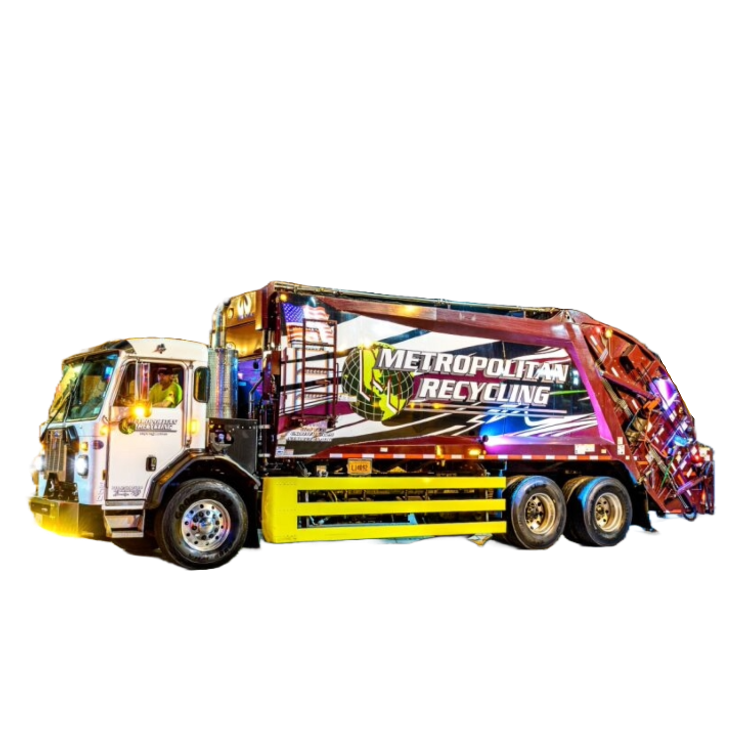
For Brooklyn businesses, a commercial waste partner like Metropolitan Recycling offers an answer to the cardboard overload. By implementing flexible pickup schedules, companies can prevent overflow and keep their facilities clean. Rather than waiting for a weekly or bi-weekly service, many clients now opt for more frequent cardboard-only pickups.
Metropolitan’s commercial clients benefit from tailored collection solutions, whether it is daily pickups for a high-volume retailer or designated cardboard bins for businesses with limited space. Their service model is built for dense urban settings where waste volume fluctuates and timing matters.
This flexibility not only solves a logistics problem, it helps clients remain compliant with local sanitation codes. Fines and violations for improper disposal or sidewalk obstruction can add up quickly. Metropolitan helps mitigate these risks by ensuring cardboard is hauled before it becomes a nuisance.
The Psychology of the Pile: Why Businesses Ignore the Problem
One reason cardboard piles up so quickly is psychological. It feels clean. It does not smell. It can be stacked. Compared to food waste or general trash, cardboard is easy to forget. Unfortunately, that makes it even more likely to be ignored until it becomes a problem.
Business owners and staff often delay breaking down boxes or forget to sort them properly. This leads to missed pickups, blocked access to bins, and strained relations with landlords or neighboring businesses. With the right collection partner, this is avoidable.
Practical Tips for Brooklyn Businesses
Metropolitan Recycling works with clients to provide simple, actionable steps to reduce cardboard clutter:
- Designate a central cardboard-only area inside your business
- Train staff to flatten and break down all boxes
- Schedule pickups that align with your delivery days
- Use color-coded bins for different materials
- Avoid using cardboard to hold other waste types
- Communicate regularly with your hauler if your volume increases
These basic habits, combined with a customized waste schedule, are proven to reduce overflow and improve recycling rates.
The Role of Education and Support
Metropolitan Recycling does more than just collect cardboard. They partner with businesses to educate teams, monitor volume trends, and adjust services accordingly. For many Brooklyn business owners, having a responsive and professional hauler who understands city regulations and local needs is critical.
Recycling education is available to all clients, and site assessments can be scheduled to identify waste hotspots. By reviewing a business’s pickup history and volume reports, Metropolitan helps clients optimize for cost, space, and sustainability.
Looking Ahead: Smarter Systems for Smarter Cities
As commercial activity grows across Brooklyn, smarter systems will be needed to manage waste, especially recyclable waste like cardboard. The future includes data-driven pickup schedules, AI-powered route planning, and more accessible waste diversion strategies.
Metropolitan is already implementing several of these solutions across their Brooklyn service areas. Their goal is simple. Help businesses stay focused on their customers, not their trash.
The cardboard box helped businesses survive the rise of e-commerce and fast logistics, but now it is time to manage it with the same precision that made those industries thrive. Partnering with the right commercial waste team turns cardboard chaos into a clean, cost-efficient process.
Brooklyn businesses do not need to be buried under boxes. With the right habits and the right hauler, every box can go where it belongs — out of sight, and back into the recycling stream.