When Trash Freezes: How NYC Winter Impacts Commercial Waste Pickup

< Back to Resources

Brooklyn winters bring more than snow. They bring logistical chaos, frozen waste bins, icy alleyways, and delays that can seriously impact a business’s operations. For commercial properties across New York City, including restaurants, offices, hotels, and retail stores, winter weather presents a unique set of challenges when it comes to reliable waste removal.

While the Department of Sanitation and private haulers like Metropolitan Recycling work year-round, cold weather alters the way waste is handled, collected, and processed. Understanding the seasonal impact of winter on waste removal is key to maintaining smooth business operations and avoiding unnecessary penalties, overflows, or safety issues.

The Problem with Frozen Trash

When temperatures plummet, liquids in bags freeze solid. Garbage canisters often become stuck to the pavement. Dumpster lids ice shut. Plastic bags and cardboard stiffen and refuse to compact properly. This slows down the pickup process for drivers, delays routes, and causes backups across entire neighborhoods.

For food businesses in particular, this creates a major disruption. Organic waste, spoiled inventory, and grease-soaked packaging can quickly become a frozen mess that is not just hard to move but hazardous to workers and nearby pedestrians. When snowbanks and ice pile up around bins, it becomes even harder to safely roll them out for scheduled pickups.

Delays Happen: But Planning Prevents Panic

One of the biggest commercial waste concerns during winter is the uncertainty around collection schedules. Weather-related service delays can happen, but businesses that work closely with their hauler and proactively communicate can minimize disruption.

Metropolitan Recycling’s clients are advised to monitor service alerts, keep bins accessible even during storms, and use weather-resistant liners or containers with tight seals. The company provides clear updates and pickup changes via email and SMS, so clients always know what to expect.

Flexible scheduling and extra pickups may be necessary during storm weeks, especially after a buildup of trash or recyclables that could not be collected on the regular route. Businesses that stay in close contact with their service provider will find themselves better prepared.

Safety First: Icy Walkways and Dumpster Zones

One of the overlooked hazards in winter is not the trash itself but the pathway leading to it. If snow is not cleared around waste containers, it slows down haulers and risks injury. In fact, many commercial waste providers will skip a pickup if the location is unsafe or not accessible.

Brooklyn businesses are encouraged to do the following before scheduled service:

  • Shovel and salt all walkways leading to dumpsters
  • Clear snow from around bin lids and container wheels
  • Avoid blocking dumpster access with snow piles or delivery vehicles
  • Consider temporary relocation of bins for easier access during snowstorms

A proactive cleanup strategy can reduce delays and ensure waste is removed on time, even during rough weather.

Frozen Cardboard and the Rise in Waste Volume

Cardboard, already a major contributor to commercial waste in Brooklyn, becomes especially problematic in the winter. When it gets wet or frozen, it is no longer recyclable. Many businesses unknowingly toss snow-soaked boxes into the blue bin, contaminating an entire load and triggering fines or disposal penalties.

To prevent this, Metropolitan recommends storing flattened boxes indoors when possible, or using covered bins with liners. When exposed to snow or freezing rain, cardboard should be set aside and not placed in recycling unless dry.

Winter also leads to increased packaging waste, especially after the holidays. Stores, warehouses, and office buildings generate higher volumes of disposable materials, and missing just one pickup can lead to an overflow situation.

How Metropolitan Recycling Handles Winter Collection

Metropolitan Recycling has built its commercial service model around New York City’s unpredictable seasons. Their fleet is equipped to handle snow routes, with trucks that are prepared to navigate icy roads and drivers trained to make safe pickups in difficult conditions.

The team monitors weather systems and adapts scheduling in real time. If snow is expected to interrupt service, clients are notified in advance. Additional pickups can be requested on demand, and customer service teams are available to reschedule or adjust routes based on client needs.

More importantly, Metropolitan partners with building managers and facility directors to design collection plans that account for winter risks, from bin placement to volume increases and access issues.

Cost Implications and Penalties for Missed Pickups

Failing to prepare for winter can cost Brooklyn businesses in more ways than one. Missed pickups due to inaccessible bins or overflowed containers can trigger sanitation violations, overflow fees, and damage to a business’s reputation. Rodents and other pests also become more aggressive in the winter as they seek food sources, and frozen waste left outside is an open invitation.

Clients that work with Metropolitan Recycling avoid these pitfalls through active route planning, bin monitoring, and communication. The winter season is not a reason to pause clean operations. It is a reason to double down on strategy.

Tips to Winterize Your Commercial Waste Program

Here are some of the top recommendations from Metropolitan’s team:

  • Use heavy-duty commercial bags that resist freezing
  • Place cardboard and recyclables in sealed bins, not loose stacks
  • Keep lids closed and containers dry to prevent frozen waste
  • Shovel and salt collection paths after each snowfall
  • Schedule extra pickups around high-volume dates (holidays, inventory restocks)
  • Communicate changes in waste volume or hours to your hauler proactively

Snow Should Not Stop the System

Winter is a fact of life in Brooklyn, but trash collection does not stop. For commercial clients, understanding how freezing weather impacts waste removal is essential. With a bit of planning, proper bin setup, and a responsive waste partner like Metropolitan Recycling, the cold months can be managed without disruption.

Do not wait until your dumpster is frozen shut. Plan ahead, stay informed, and keep your waste program as clean and efficient in January as it is in June.
Cardboard Crisis: How Boxes Became the Number One Waste in Brooklyn Businesses

< Back to Resources

Walk down any commercial street in Brooklyn and it will not take long before you see it. Mountains of broken-down boxes, bins overflowing with packing cartons, and dumpsters stacked high with layers of flattened cardboard. The humble box has become one of the most significant contributors to commercial waste in Brooklyn and it is showing no signs of slowing down.

While cardboard is recyclable, the sheer volume produced by local businesses is creating challenges for waste haulers, facility managers, and sustainability advocates. From retail storefronts and shipping warehouses to grocery stores and office supply vendors, cardboard is piling up at a staggering rate. So what is behind this surge, and why does it matter for business owners across the borough?

The Rise of the Cardboard Box in Business Waste

Cardboard was once reserved for moving day or major deliveries, but today it is a constant part of business operations. With the explosion of e-commerce, next-day shipping, and bulk ordering, most Brooklyn businesses are receiving more packaged goods than ever before. Every box of printer paper, cleaning supply, or restaurant inventory item now arrives individually boxed, padded, and labeled.

Small and midsize businesses are especially impacted. A boutique retailer in Park Slope might receive dozens of small shipments daily, each one generating packaging waste. A commercial kitchen in Downtown Brooklyn receives ingredients in individually boxed portions. Cardboard is no longer just waste, it is a byproduct of staying operational.

According to NYC Department of Sanitation data, cardboard and paper make up more than 40 percent of all commercial recycling collected in the city. That number increases in dense business districts where retail, delivery, and food service are dominant. For neighborhoods like Williamsburg, Bushwick, and Bay Ridge, cardboard is the number one waste item found in dumpsters and recycling bins.

Why It Matters: Operational and Environmental Costs

Cardboard might seem harmless since it is recyclable, but that does not mean it comes without cost. Businesses that produce excessive cardboard without a plan for managing it are often hit with hidden expenses. Overflowing dumpsters result in extra pickup fees. Improperly broken-down boxes reduce the usable space inside recycling bins. And delayed service because of overloaded containers can interfere with business hours.

Beyond cost, there is an environmental impact. Cardboard is biodegradable and recyclable, but when contaminated with food waste or left in the wrong bin, it becomes landfill waste. That means more methane gas, more trucks to move extra materials, and more resources used to sort materials that could have been easily recycled.

Flexible Cardboard Pickup Is Not a Luxury, It Is a Necessity

For Brooklyn businesses, a commercial waste partner like Metropolitan Recycling offers an answer to the cardboard overload. By implementing flexible pickup schedules, companies can prevent overflow and keep their facilities clean. Rather than waiting for a weekly or bi-weekly service, many clients now opt for more frequent cardboard-only pickups.

Metropolitan’s commercial clients benefit from tailored collection solutions, whether it is daily pickups for a high-volume retailer or designated cardboard bins for businesses with limited space. Their service model is built for dense urban settings where waste volume fluctuates and timing matters.

This flexibility not only solves a logistics problem, it helps clients remain compliant with local sanitation codes. Fines and violations for improper disposal or sidewalk obstruction can add up quickly. Metropolitan helps mitigate these risks by ensuring cardboard is hauled before it becomes a nuisance.

The Psychology of the Pile: Why Businesses Ignore the Problem

One reason cardboard piles up so quickly is psychological. It feels clean. It does not smell. It can be stacked. Compared to food waste or general trash, cardboard is easy to forget. Unfortunately, that makes it even more likely to be ignored until it becomes a problem.

Business owners and staff often delay breaking down boxes or forget to sort them properly. This leads to missed pickups, blocked access to bins, and strained relations with landlords or neighboring businesses. With the right collection partner, this is avoidable.

Practical Tips for Brooklyn Businesses

Metropolitan Recycling works with clients to provide simple, actionable steps to reduce cardboard clutter:

  • Designate a central cardboard-only area inside your business
  • Train staff to flatten and break down all boxes
  • Schedule pickups that align with your delivery days
  • Use color-coded bins for different materials
  • Avoid using cardboard to hold other waste types
  • Communicate regularly with your hauler if your volume increases

These basic habits, combined with a customized waste schedule, are proven to reduce overflow and improve recycling rates.

The Role of Education and Support

Metropolitan Recycling does more than just collect cardboard. They partner with businesses to educate teams, monitor volume trends, and adjust services accordingly. For many Brooklyn business owners, having a responsive and professional hauler who understands city regulations and local needs is critical.

Recycling education is available to all clients, and site assessments can be scheduled to identify waste hotspots. By reviewing a business’s pickup history and volume reports, Metropolitan helps clients optimize for cost, space, and sustainability.

Looking Ahead: Smarter Systems for Smarter Cities

As commercial activity grows across Brooklyn, smarter systems will be needed to manage waste, especially recyclable waste like cardboard. The future includes data-driven pickup schedules, AI-powered route planning, and more accessible waste diversion strategies.

Metropolitan is already implementing several of these solutions across their Brooklyn service areas. Their goal is simple. Help businesses stay focused on their customers, not their trash.

The cardboard box helped businesses survive the rise of e-commerce and fast logistics, but now it is time to manage it with the same precision that made those industries thrive. Partnering with the right commercial waste team turns cardboard chaos into a clean, cost-efficient process.

Brooklyn businesses do not need to be buried under boxes. With the right habits and the right hauler, every box can go where it belongs — out of sight, and back into the recycling stream.

Celebrating Recycling Success in Brooklyn and Beyond

< Back to Resources

Brooklyn has long been known for its culture, its diversity, and its creativity. In recent years the borough has also become known for its commitment to recycling and environmental stewardship. From local neighborhoods to business districts and waterfront areas, people are finding ways to keep materials out of landfills and give used items a new life.

Recycling programs in New York City have a rich history and measurable impact. While the city still has work to do to reach its full potential, there have been notable successes that show what is possible when communities embrace sustainable practices.

How Much Is Being Recycled?

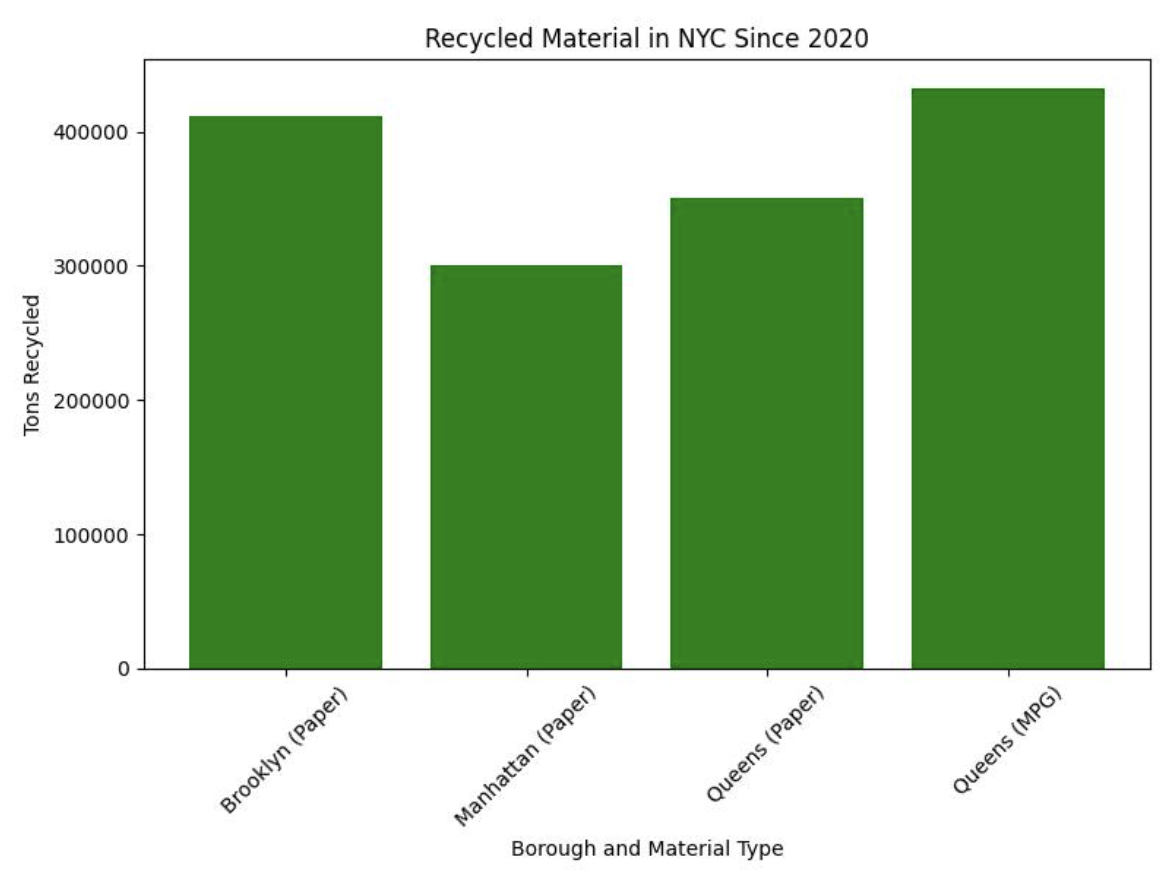
New York City recycling data reveals that since 2020 residents have recycled large volumes of materials that might otherwise have ended up in landfills. Brooklyn alone has contributed more than 412,000 tons of paper recycling over that time period. This figure is the largest of all five boroughs and highlights Brooklyn’s role as a leader in recycling activities within the city. Queens and Manhattan have also contributed significant amounts of recycled material, including nearly 432,000 tons of metal, plastic, and glass recycling in Queens and over 300,000 tons of paper recycling in Manhattan. Together these efforts demonstrate that millions of tons of materials have been diverted from waste disposal in recent years.

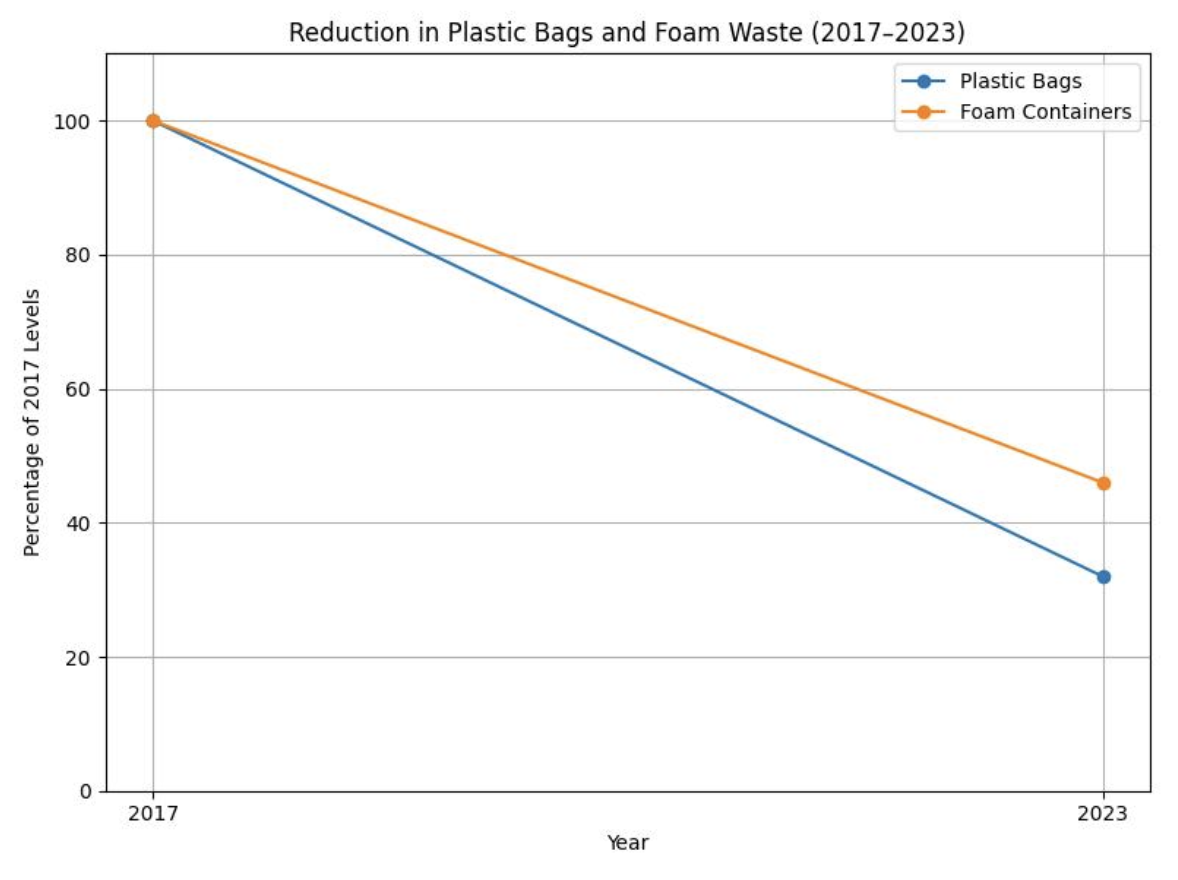
In addition to paper, plastic bags and expanded polystyrene foam have declined sharply in the waste stream due to successful bans and changes in city policy. Since 2017 plastic bags in the waste stream dropped nearly 68 percent by weight while foam container waste dropped by more than 50 percent. These reductions show how policy changes and community involvement can reshape what ends up in the trash.

These numbers represent recycled material from households across the city, but they reflect the broader commitment across all sectors including commercial recycling. Brooklyn neighborhoods contribute significant tonnage as local businesses, restaurants, and retail spaces participate in recycling programs and private hauling services help manage waste streams that include cardboard, plastics, and metal.

Successes by the Numbers

Here are some of the notable recycling figures from recent data:

  • Brooklyn has recycled more paper than any other borough with over 412,000 tons since 2020.
  • Plastic bags in the waste stream decreased by nearly 68 percent between 2017 and 2023.
  • Expanded polystyrene foam decreased by 54 percent over that same period.

These are impressive figures when one considers the sheer population of New York City and the complexity of its waste streams. Each ton of material that is recycled instead of landfilled represents energy savings, reduced pollution, and a smaller ecological footprint.

What Has Changed in Recent Years?

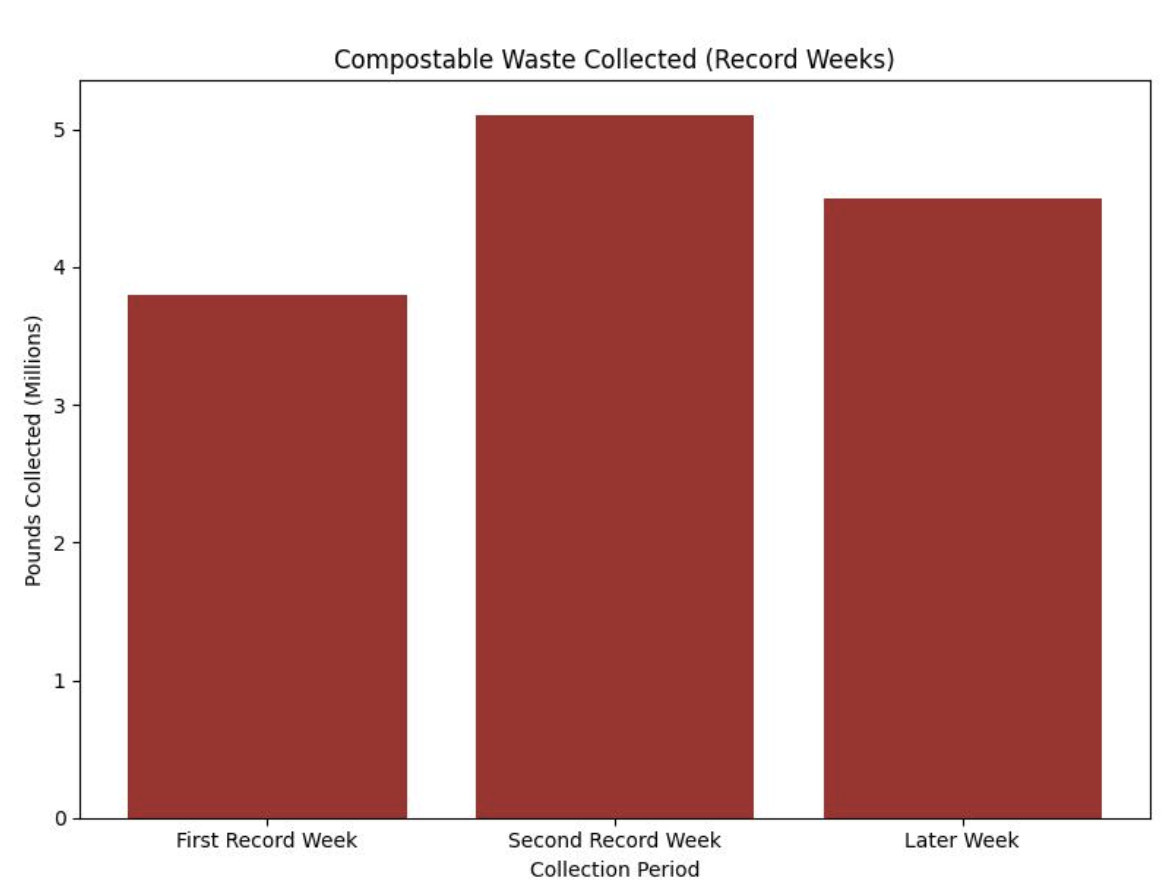
Recycling trends have shifted as city policy evolves. For example New York State and city leaders have introduced mandatory composting programs for food and yard waste that apply in many parts of Brooklyn and across the city. Early years of mandatory composting saw millions of pounds of food scraps and yard waste collected in just a few weeks. In one reported period over 3.8 million pounds of compostable waste was collected in only seven days, followed by more than 5 million pounds in a later week. This level of participation shows what is possible when recycling is simple and regular for participants.

These large numbers are fun to imagine visually. One creative way to show them is to imagine each ton of compostable material as equal in weight to a certain number of large tree seedlings or to an iconic Brooklyn landmark for scale.

Why These Numbers Matter

Recycling success is not just about the volume of materials collected. It has real benefits for the environment and the community including:

  • Reducing the amount of waste sent to landfills where it produces methane and other harmful byproducts.
  • Saving energy and reducing pollution by keeping materials in productive use longer.
  • Supporting local infrastructure such as material recovery facilities where recyclables can be sorted and processed for reuse.

When communities recycle more, they help lower the overall cost of waste management for the city and reduce the environmental damage associated with disposing of materials that could otherwise be reused.

Recycling Success in the Context of Landfill Reduction

Recycling programs aim to divert waste from landfills and incineration. When items are recycled or composted they avoid contributing to long-term waste disposal problems. In New York City only about 20 percent of municipal waste is diverted from disposal, meaning the rest goes to landfills or incinerators. While this is lower than some cities might like, it does show that concerted recycling efforts have a real impact when they are supported and adopted by the public.

Brooklyn plays a major role in this effort by recycling large volumes of paper and other recyclables. This helps reduce the overall burden on disposal infrastructure and signals a community willingness to embrace sustainable practices.

NYC Recycled Materials Breakdown

This chart illustrates the total tonnage of materials recycled by New York City over a span of years, separated into categories such as metal, glass, plastic, paper, and cardboard. It demonstrates the consistent efforts and infrastructure that have been developed to support robust recycling programs. The rising trend in recycled paper and cardboard shows strong commercial compliance, which is especially relevant for companies like Metropolitan Recycling that service Brooklyn businesses. These figures validate the operational need and community impact of commercial recycling partnerships.

Reduction in Plastic Foam Waste

This graph showcases the sharp decline in polystyrene foam waste (often used in food containers) collected across the city, coinciding with New York’s ban on plastic foam beginning in 2019. The drop in volume is a direct result of local policy, increased business compliance, and a cultural shift toward sustainability. For Brooklyn-based commercial operations, especially in the food and retail sectors, this chart underlines the importance of having a waste partner that is informed and compliant with material-specific legislation.

Compostable Waste Collection Growth

This chart highlights the expanding reach and tonnage of compostable waste collected as part of NYC’s growing organics program. The increase in participation—particularly from commercial entities like restaurants, hotels, and markets—shows growing awareness and adoption of food waste diversion strategies. Businesses in Brooklyn can benefit from service providers like Metropolitan Recycling by ensuring their compostable waste is efficiently managed, helping reduce landfill use and meet city environmental targets.

These visuals help show how recycling has evolved and how communities have responded when given simple access and clear goals. They can be shared in blog posts or on social channels to celebrate milestones.
Looking Ahead

Despite progress Brooklyn and all of New York City still have room to improve recycling participation. Waste characterization studies show that a large portion of material entering the waste stream could be diverted with the right programs in place, and that contamination rates do matter in capturing more recyclables.

Success involves both increasing recycling rates and making sure people sort their materials correctly so they actually get recycled. Education and outreach remain key parts of long-term success and community commitment.

A More Responsible Brooklyn

Brooklyn’s recycling story is filled with achievements that show what local communities can accomplish when they work together. With hundreds of thousands of tons of materials recycled and programs growing in participation, the borough plays a central role in New York’s waste diversion strategies. Continued focus on convenience, education, and reliable service makes the promise of a cleaner future more achievable.

Looking ahead these trends point to exciting opportunities to keep more material out of landfills, reduce pollution, and support a sustainable Brooklyn for generations.

The Crushing Power of a Garbage Truck: How It Packs a City’s Worth of Trash

< Back to Resources

The Hidden Muscle Behind the Curb

You’ve seen them rumbling down the streets of Brooklyn, gobbling up bags, bins, and busted furniture like a mechanical beast. But have you ever wondered how a garbage truck manages to compress all that waste into what looks like a glorified metal box on wheels?

Turns out, your everyday garbage truck is one of the most powerful vehicles on the street—and not just in terms of size. The compaction system built into commercial rear-loader garbage trucks can exert as much as 2,000 pounds per square inch (psi) of pressure. That’s enough force to crush a couch, a mini fridge, or even a full-size mattress like it’s made of packing foam.

What’s Under the Hood (and the Hopper)

Let’s break down how a typical rear-loader works:

Hydraulic Rams: At the heart of the compactor is a powerful hydraulic ram, usually powered by the truck’s engine or a separate hydraulic system. When activated, the ram pushes the trash against a compaction blade inside the hopper, crushing it into the holding area.

Compaction Ratio: These trucks can reduce waste volume by a factor of 3 to 5. That means what starts as 30 cubic yards of loose trash can be compressed into just 6 to 10 cubic yards of dense material.

Payload: A commercial rear-loader can hold up to 12 tons of compacted trash. That’s equivalent to the weight of about 9 Toyota Camrys or two adult elephants.

Durability: The steel compaction panels are designed to withstand years of daily abuse. We’re talking about half-inch reinforced steel plates crushing objects that would normally destroy your average pickup bed.

Trash vs Titans: A Power Comparison

Let’s compare the crushing power of a garbage truck to some things we often think of as powerful:

Machine

Crushing Power / Force

Fun Fact

Rear-Loader Garbage Truck

~2,000 psi

Can crush multiple refrigerators at once

Industrial Car Crusher

~2,500 psi

Compresses entire cars into 2-foot cubes

Crocodile Bite

3,700 psi

Stronger than most trucks—but only in one bite

Hydraulic Press (Lab Grade)

20,000+ psi

Can pulverize diamonds and titanium

Garbage Disposal (Home)

~1/50th of a truck

Struggles with chicken bones 😬

So while it might not match the insane pressures of a lab press, your local garbage truck is still a brute in the real world—especially considering it’s mobile, reliable, and designed to handle Brooklyn levels of garbage daily.

Why This Matters for Brooklyn Businesses

For commercial waste haulers like Metropolitan Recycling, this crushing force is not just for show. It’s about efficiency, volume reduction, and cost savings. In a borough like Brooklyn—where space is tight and schedules are tighter—a compact load means:

  • Fewer trips to the transfer station
  • Lower fuel use and emissions
  • More pickups per route
  • Cleaner streets and faster service for clients

Metropolitan’s fleet is equipped to handle all kinds of commercial waste—from grocery stores to office cleanouts—without missing a beat. Their trucks don’t just pick up your garbage. They annihilate it.

Recyclables Get the Same Treatment

While recyclables like paper and cardboard don’t require the same kind of brute force, the same principle applies: compact it down, haul more at once, and reduce handling costs. Many commercial clients in Brooklyn rely on the fast, powerful compaction abilities of their recycling haulers to keep waste bills low and bins from overflowing.

What’s Next: Smart Compaction and Sensors

Modern garbage trucks are getting even smarter. Some new models use load sensors to detect when the truck is full, or AI-powered cameras to detect contamination in recycling streams. Compaction power may stay around 2,000 psi, but intelligence is going up, making future fleets more efficient and environmentally friendly.

The next time you see a Metropolitan Recycling truck roll down the block, just know you’re not looking at just another piece of municipal machinery. You’re looking at a steel-jawed monster that’s strong enough to turn your junk into a neat cube and smart enough to do it better every year.

Why Flexible Pickup Schedules Matter for Brooklyn Businesses

< Back to Resources

In the dense and dynamic environment of Brooklyn, where every square foot of commercial space is at a premium and businesses operate on tight, sometimes unpredictable schedules, the ability to adapt waste management to your specific rhythm is no longer a luxury, it is a necessity. From grocery stores and medical offices to manufacturing facilities and schools, waste output fluctuates with seasons, demand, and operations. Rigid collection schedules often create problems like overflowing bins, fire hazards, compliance issues, and even pest control challenges.

For commercial clients in Brooklyn, choosing a recycling and waste management partner with flexible pickup schedules ensures not only operational efficiency but also environmental compliance and community goodwill. This is especially true for businesses that generate higher volumes of cardboard, food waste, plastic, and paper throughout the week. Metropolitan Recycling provides a critical service that helps businesses stay on track, stay clean, and stay compliant with New York City waste regulations.

The Realities of Waste in a Brooklyn Business District

Commercial businesses in Brooklyn vary greatly in terms of the amount and type of waste they generate. A local supermarket may discard hundreds of pounds of perishable waste on a daily basis. Meanwhile, a packaging or e‑commerce business may produce pallets of cardboard and shrink wrap in a single day. On the other hand, a corporate office may generate large volumes of shredded paper and outdated electronic equipment.

What all these businesses have in common is the need for scheduled, dependable waste collection that matches their operating hours and peak production windows. When pickups are too infrequent, bins overflow and attract unwanted attention from the Department of Sanitation and neighborhood watchdogs. If pickups are too frequent without necessity, businesses incur unnecessary costs and increase their environmental footprint.

Challenges With Inflexible Waste Collection

A rigid pickup schedule may suit businesses with consistent daily waste volume, but for the majority in Brooklyn, fluctuations are the norm. Inflexibility in scheduling leads to a variety of common problems:

  • Missed pickups during holidays and off-hours
  • Overflow of garbage on weekends or late-week rushes
  • Fines from violations for uncontained waste
  • Interruptions to customer experience due to unsightly bins

These issues affect more than just aesthetics. They can damage your brand, affect customer perceptions, and increase costs through fines or emergency pickups.

The Metropolitan Recycling Advantage

Metropolitan Recycling offers customized pickup schedules for businesses in Brooklyn. Their approach is not just about picking up garbage — it is about partnering with businesses to build a waste strategy that works for the specific needs of the client. Here is how they do it:

Site and Volume Assessments

Every client receives a detailed assessment of their waste volume, type, and frequency. This helps in planning a schedule that avoids over-servicing or under-servicing.

Route Optimization

Trucks are routed through neighborhoods with efficiency in mind. If your business sees heavy waste volume on Friday afternoons, for example, your schedule can be set to ensure pickup occurs before waste piles up into the weekend.

Real-Time Adjustments

Need to add or skip a pickup? Metropolitan’s customer service team can make quick changes. This is particularly useful for businesses with event-based spikes or seasonal shifts in waste volume.

Dedicated Account Management

Businesses get access to account reps who understand the unique needs of Brooklyn-based operations and can proactively recommend adjustments.

Examples of Who Benefits Most

Grocery Stores and Markets

With perishable waste, packaging, and seasonal inventory turnover, flexible scheduling ensures sanitation is maintained while minimizing food waste impact.

Medical Clinics and Offices

These businesses produce consistent yet sensitive waste. Being able to coordinate secure and timely disposal is critical for both safety and compliance.

Restaurants and Cafes

Daily operations can vary, especially during summer or event weekends. Pickup flexibility ensures that trash does not accumulate and attract pests or citations.

Warehouses and Fulfillment Centers

With heavy cardboard and shrink wrap loads, sometimes on an irregular shipping schedule, having the option to increase pickups during peak fulfillment season is essential.

How It Improves Compliance and Cost Efficiency

New York City has clear guidelines on how commercial waste should be handled. Overflowing bins, improper sorting, or missed collection times can result in fines and citations. When businesses align their waste management with a flexible pickup schedule, they reduce the chance of non-compliance.

They also reduce costs associated with unnecessary pickups or last-minute urgent services. By customizing their schedule, they pay for what they need, nothing more and nothing less.

Environmental Responsibility in Action

Brooklyn is a borough with an engaged, vocal community that cares about sustainability. Businesses that demonstrate environmentally responsible behavior are often seen more favorably by customers and community boards. Flexible pickup allows companies to reduce their impact by:

  • Sorting recyclable materials more effectively
  • Reducing the chance of spillage and contamination
  • Lowering the overall number of pickups through smarter consolidation

Metropolitan Recycling makes it easier for businesses to be good environmental stewards without compromising on convenience or operational efficiency.

The Takeaway

For Brooklyn businesses of all types and sizes, flexibility in waste pickup is not optional, it is strategic. Metropolitan Recycling has built a reputation on responsiveness, local knowledge, and scalable solutions that match the diverse demands of businesses across the borough.

By working with a waste partner that understands the city’s unique pace and regulations, businesses ensure smoother operations, greater customer satisfaction, and reduced risk of violations. Flexible pickup schedules are one of the simplest ways to unlock all of these benefits.

If your business has experienced the frustrations of a one-size-fits-all waste collection model, now is the time to rethink your approach. In a borough as active as Brooklyn, flexibility is not just helpful, it is smart business. Contact Metropolitan Recycling today to get a fully customized solution for your business.

Why Regular Service Is Critical for Brooklyn Hotels’ Commercial Waste Program

< Back to Resources

Brooklyn hotels are a cornerstone of the borough’s vibrant hospitality industry. Whether serving international tourists, business travelers, or guests from neighboring boroughs, hotels in Brooklyn operate around the clock. With daily check-ins, high guest turnover, and in-house restaurants or event spaces, the amount of commercial waste generated is significant. For hotels to maintain a clean, professional environment and comply with city sanitation regulations, regular waste pickup is not just helpful — it is essential.

This article will explain why a dependable waste management schedule is critical for hotels in Brooklyn and how working with a reliable local hauler like Metropolitan Recycling can support operational efficiency, sanitation standards, and environmental responsibility.

The Volume and Variety of Hotel Waste

Hotels create a mix of waste streams that must be handled consistently to avoid operational disruptions. Typical daily waste includes:

  • Food scraps and packaging from breakfast buffets or on-site kitchens
  • Cardboard boxes from deliveries and housekeeping supply shipments
  • Plastic containers and single-use items
  • Paper waste from front desk operations or office areas
  • Bulk waste during room renovations or furniture upgrades

Irregular pickups can lead to overflowing dumpsters, pest problems, and potential fines — all of which damage a hotel’s reputation and guest satisfaction ratings.

Why Frequency Matters in a High-Density Urban Setting

Hotels in Brooklyn face unique challenges due to the borough’s dense population, narrow streets, and limited space for onsite storage. Many properties lack extensive loading docks or holding areas for excess waste. This makes scheduled, predictable pickups a necessity. A delay of even one day can result in visible trash piles or overstuffed containers that impact curb appeal and attract unwanted attention from both neighbors and city enforcement agencies.

Impact on Health, Safety, and Guest Experience

Guests expect a high standard of cleanliness. Overflowing bins, unpleasant odors, or unsanitary conditions near hotel entrances and loading zones can affect their experience and lead to poor reviews. Regular waste removal protects not only the aesthetic of the property but also the health and safety of staff and guests.

In particular, food waste must be handled carefully and removed quickly to prevent the spread of bacteria, discourage pests, and maintain Department of Health compliance.

Cost Control and Operational Efficiency

Unplanned pickups and emergency cleanouts often cost significantly more than scheduled service. By committing to a consistent waste removal program, hotel managers can better control costs, budget more accurately, and avoid unnecessary surcharges. Consistent pickups also allow hotel operations to run more smoothly, as staff are not forced to find ad hoc solutions or waste time coordinating last-minute arrangements.

Supporting Hotel Sustainability Initiatives

Many hotels in Brooklyn now promote themselves as eco-friendly or certified green properties. Regular commercial recycling and waste pickup help back up those claims. By separating recyclables, working with a waste hauler that processes material at a certified facility, and ensuring no waste is left sitting for days, hotels demonstrate environmental responsibility to guests and stakeholders.

Metropolitan Recycling is equipped to handle both waste and recycling streams, allowing hotel clients to maintain strong sustainability programs without interruption.

What to Look for in a Waste Management Provider

For hotel managers seeking dependable service in Brooklyn, the following characteristics are essential when selecting a waste hauler:

  • Flexible pickup scheduling to accommodate varying occupancy levels and seasonal fluctuations
  • Familiarity with local sanitation regulations and Brooklyn street logistics
  • Ability to handle a mix of waste types including food scraps, recyclables, and occasional bulk items
  • Transparent pricing with no surprise fees
  • Responsive customer service and support for special requests

Metropolitan Recycling has decades of experience serving commercial properties across the borough. Their team understands the unique needs of Brooklyn hospitality businesses and provides the consistency and professionalism required in this demanding environment.

Compliance with New York City Requirements

Hotels must also comply with commercial waste regulations established by the New York City Department of Sanitation. This includes ensuring that:

Containers are kept closed and clean

Waste is not placed at the curb too early

Waste is collected by a licensed hauler with proper documentation

A well-managed waste program protects hotels from fines, complaints, and inspections. Metropolitan’s team stays up to date on changing requirements and helps clients remain compliant.

Service You Can Count On

In the competitive Brooklyn hospitality sector, attention to detail matters. Regular commercial waste and recycling service allows hotels to maintain a high standard, run efficiently, and keep guests satisfied. Choosing a partner that offers reliability, flexibility, and deep local expertise is the smartest way to protect both your reputation and your bottom line.

Whether you manage a boutique hotel in Williamsburg or a full-service property near Downtown Brooklyn, maintaining a consistent waste service schedule is one operational detail that should never be overlooked and Metropolitan Recycling is here to help.

Need Assistance?
We’re Here To Help

Connect with an expert today.
Our team is ready to help you tackle your waste management challenges with customized solutions

Start Today

Translate »