718-257-8584


Brooklyn has long been known for its culture, its diversity, and its creativity. In recent years the borough has also become known for its commitment to recycling and environmental stewardship. From local neighborhoods to business districts and waterfront areas, people are finding ways to keep materials out of landfills and give used items a new life.
Recycling programs in New York City have a rich history and measurable impact. While the city still has work to do to reach its full potential, there have been notable successes that show what is possible when communities embrace sustainable practices.
How Much Is Being Recycled?
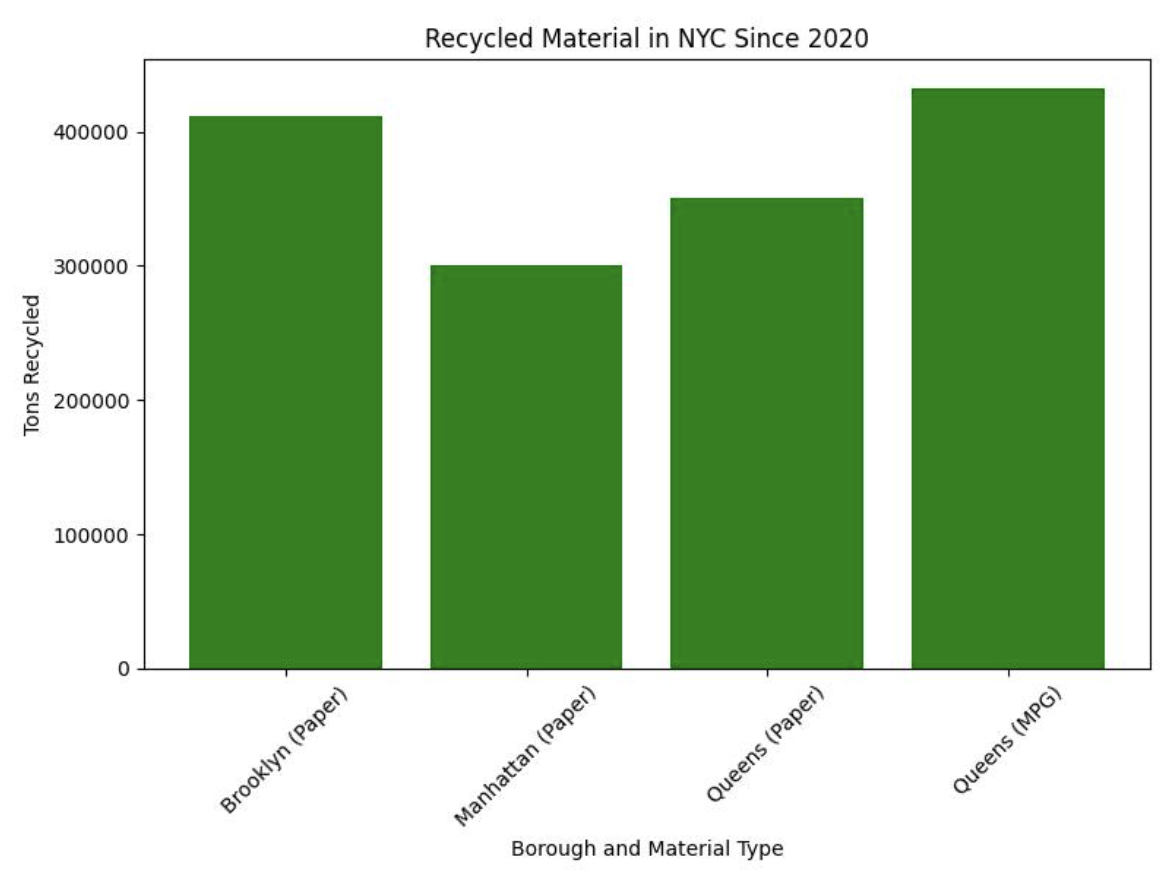
New York City recycling data reveals that since 2020 residents have recycled large volumes of materials that might otherwise have ended up in landfills. Brooklyn alone has contributed more than 412,000 tons of paper recycling over that time period. This figure is the largest of all five boroughs and highlights Brooklyn’s role as a leader in recycling activities within the city. Queens and Manhattan have also contributed significant amounts of recycled material, including nearly 432,000 tons of metal, plastic, and glass recycling in Queens and over 300,000 tons of paper recycling in Manhattan. Together these efforts demonstrate that millions of tons of materials have been diverted from waste disposal in recent years.
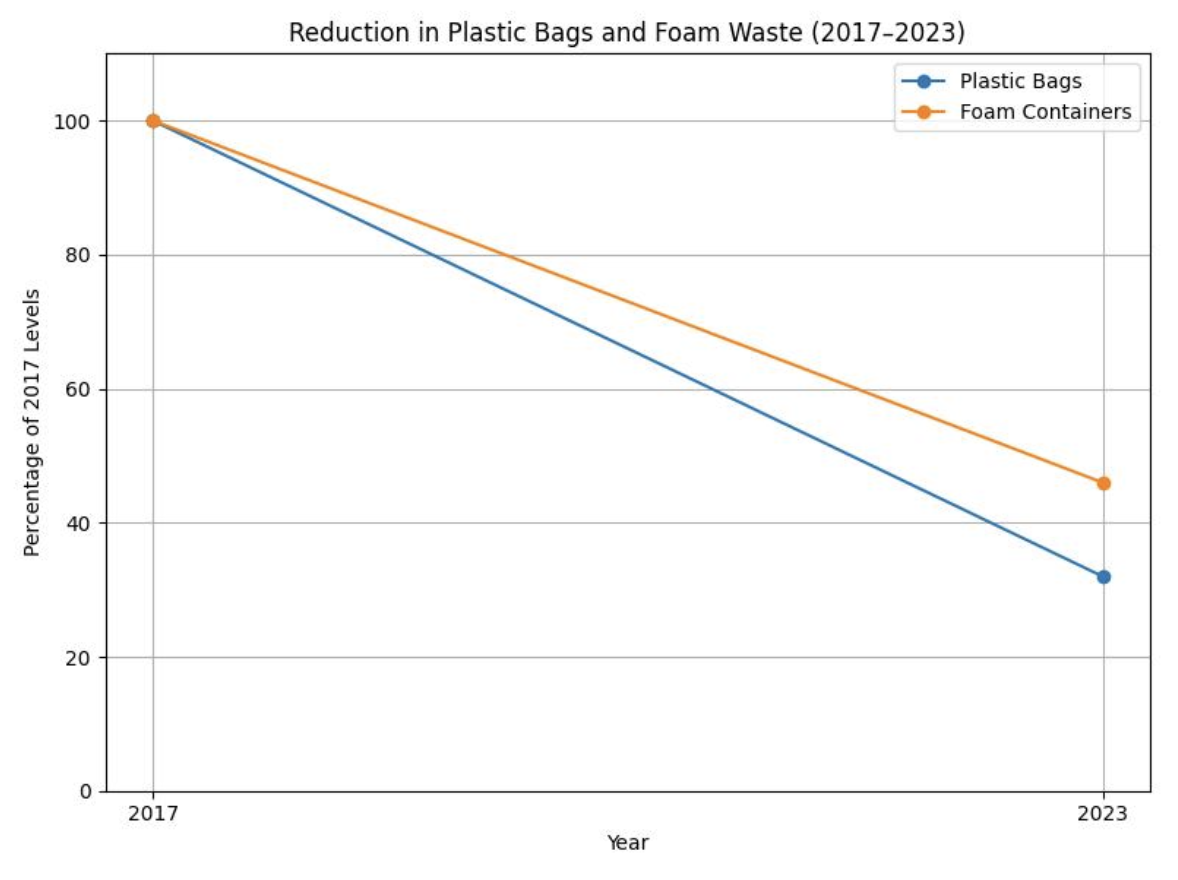
In addition to paper, plastic bags and expanded polystyrene foam have declined sharply in the waste stream due to successful bans and changes in city policy. Since 2017 plastic bags in the waste stream dropped nearly 68 percent by weight while foam container waste dropped by more than 50 percent. These reductions show how policy changes and community involvement can reshape what ends up in the trash.
These numbers represent recycled material from households across the city, but they reflect the broader commitment across all sectors including commercial recycling. Brooklyn neighborhoods contribute significant tonnage as local businesses, restaurants, and retail spaces participate in recycling programs and private hauling services help manage waste streams that include cardboard, plastics, and metal.
Successes by the Numbers
Here are some of the notable recycling figures from recent data:
- Brooklyn has recycled more paper than any other borough with over 412,000 tons since 2020.
- Plastic bags in the waste stream decreased by nearly 68 percent between 2017 and 2023.
- Expanded polystyrene foam decreased by 54 percent over that same period.
These are impressive figures when one considers the sheer population of New York City and the complexity of its waste streams. Each ton of material that is recycled instead of landfilled represents energy savings, reduced pollution, and a smaller ecological footprint.
What Has Changed in Recent Years?
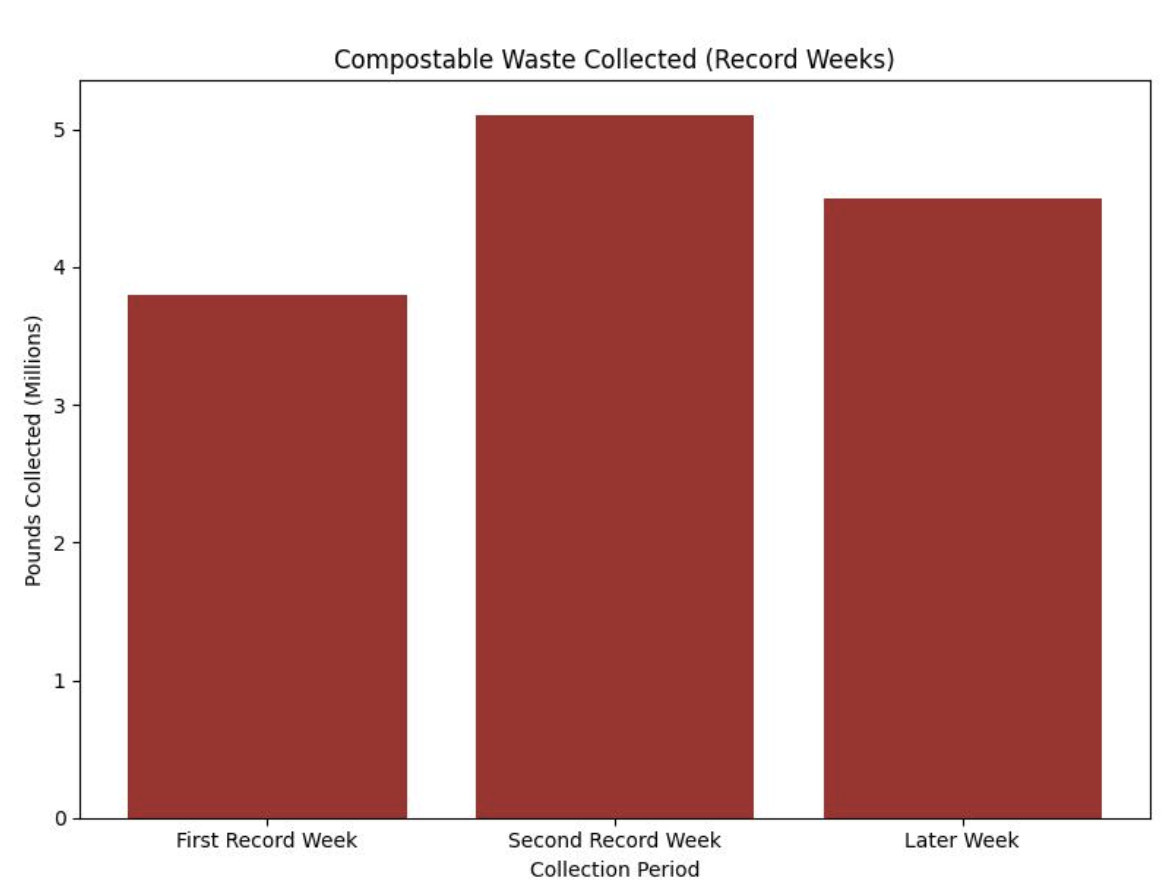
Recycling trends have shifted as city policy evolves. For example New York State and city leaders have introduced mandatory composting programs for food and yard waste that apply in many parts of Brooklyn and across the city. Early years of mandatory composting saw millions of pounds of food scraps and yard waste collected in just a few weeks. In one reported period over 3.8 million pounds of compostable waste was collected in only seven days, followed by more than 5 million pounds in a later week. This level of participation shows what is possible when recycling is simple and regular for participants.
These large numbers are fun to imagine visually. One creative way to show them is to imagine each ton of compostable material as equal in weight to a certain number of large tree seedlings or to an iconic Brooklyn landmark for scale.
Why These Numbers Matter
Recycling success is not just about the volume of materials collected. It has real benefits for the environment and the community including:
- Reducing the amount of waste sent to landfills where it produces methane and other harmful byproducts.
- Saving energy and reducing pollution by keeping materials in productive use longer.
- Supporting local infrastructure such as material recovery facilities where recyclables can be sorted and processed for reuse.
When communities recycle more, they help lower the overall cost of waste management for the city and reduce the environmental damage associated with disposing of materials that could otherwise be reused.
Recycling Success in the Context of Landfill Reduction
Recycling programs aim to divert waste from landfills and incineration. When items are recycled or composted they avoid contributing to long-term waste disposal problems. In New York City only about 20 percent of municipal waste is diverted from disposal, meaning the rest goes to landfills or incinerators. While this is lower than some cities might like, it does show that concerted recycling efforts have a real impact when they are supported and adopted by the public.
Brooklyn plays a major role in this effort by recycling large volumes of paper and other recyclables. This helps reduce the overall burden on disposal infrastructure and signals a community willingness to embrace sustainable practices.
NYC Recycled Materials Breakdown
This chart illustrates the total tonnage of materials recycled by New York City over a span of years, separated into categories such as metal, glass, plastic, paper, and cardboard. It demonstrates the consistent efforts and infrastructure that have been developed to support robust recycling programs. The rising trend in recycled paper and cardboard shows strong commercial compliance, which is especially relevant for companies like Metropolitan Recycling that service Brooklyn businesses. These figures validate the operational need and community impact of commercial recycling partnerships.
 Reduction in Plastic Foam Waste
This graph showcases the sharp decline in polystyrene foam waste (often used in food containers) collected across the city, coinciding with New York’s ban on plastic foam beginning in 2019. The drop in volume is a direct result of local policy, increased business compliance, and a cultural shift toward sustainability. For Brooklyn-based commercial operations, especially in the food and retail sectors, this chart underlines the importance of having a waste partner that is informed and compliant with material-specific legislation.
 Compostable Waste Collection Growth
This chart highlights the expanding reach and tonnage of compostable waste collected as part of NYC’s growing organics program. The increase in participation—particularly from commercial entities like restaurants, hotels, and markets—shows growing awareness and adoption of food waste diversion strategies. Businesses in Brooklyn can benefit from service providers like Metropolitan Recycling by ensuring their compostable waste is efficiently managed, helping reduce landfill use and meet city environmental targets.
 These visuals help show how recycling has evolved and how communities have responded when given simple access and clear goals. They can be shared in blog posts or on social channels to celebrate milestones.
Looking Ahead
Despite progress Brooklyn and all of New York City still have room to improve recycling participation. Waste characterization studies show that a large portion of material entering the waste stream could be diverted with the right programs in place, and that contamination rates do matter in capturing more recyclables.
Success involves both increasing recycling rates and making sure people sort their materials correctly so they actually get recycled. Education and outreach remain key parts of long-term success and community commitment.
A More Responsible Brooklyn
Brooklyn’s recycling story is filled with achievements that show what local communities can accomplish when they work together. With hundreds of thousands of tons of materials recycled and programs growing in participation, the borough plays a central role in New York’s waste diversion strategies. Continued focus on convenience, education, and reliable service makes the promise of a cleaner future more achievable.
Looking ahead these trends point to exciting opportunities to keep more material out of landfills, reduce pollution, and support a sustainable Brooklyn for generations.