718-257-8584


Businesses in Brooklyn often generate more waste than standard municipal pickup systems can handle. Whether operating a supermarket, warehouse, distribution center, or multifamily property, the need for regular high-volume waste disposal is constant. Selecting the right dumpster size is essential for maintaining compliance, cleanliness, and cost efficiency.
In a dense urban environment like Brooklyn, choosing the correct container is not only about capacity — it is about logistics, access, and city-specific regulations.
This article will help you understand which dumpster sizes are most appropriate for commercial operations, what kinds of waste can and cannot go in them, and how to evaluate your ongoing disposal needs.
Common Commercial Dumpster Sizes
Dumpster sizes are measured in cubic yards and are matched to your average daily or weekly waste output. In commercial settings, dumpsters are often used for ongoing service — not just one-time projects.
2 Yard Dumpster
- Best for: Small storefronts or low-traffic offices
- Typical Waste Volume: Up to 12 garbage bags
- Pickup Frequency: 1 to 2 times per week
- Footprint: Fits in tight alleys or shared collection areas
4 Yard Dumpster
- Best for: Mid-sized businesses, smaller restaurants, or retailers
- Typical Waste Volume: Up to 24 garbage bags
- Pickup Frequency: 2 to 3 times per week
6 Yard Dumpster
- Best for: Apartment buildings, small warehouses, larger retail
- Typical Waste Volume: Up to 36 garbage bags
- Pickup Frequency: 2 to 5 times per week
8 Yard Dumpster
- Best for: Supermarkets, large-scale food service, manufacturing, or logistics centers ● Typical Waste Volume: Up to 48 garbage bags
- Pickup Frequency: Daily or multiple pickups per week
In Brooklyn, where space is at a premium, these dumpsters must often be placed in confined lots, loading bays, or behind secure enclosures. Weight and access limitations must be taken into account when selecting a service schedule and location.
When to Consider Roll-Off Containers
For commercial operations that occasionally produce large volumes of bulky or construction-style waste — such as fixtures, pallets, packaging, or broken equipment — temporary roll-off dumpsters may be appropriate.
Common Roll-Off Sizes for Commercial Use
- 10 Yard: Compact option for short-term use in tight urban areas
- 20 Yard: Often used by contractors or maintenance teams for property cleanouts or large tenant turnover
- 30 to 40 Yard: Suitable for logistics companies or facilities undergoing renovations, equipment swaps, or bulk discards
These dumpsters are typically delivered and removed on a scheduled basis and may require a permit if placed on the street or public right of way.
What Can Go in Commercial Dumpsters?
Acceptable Materials
Most standard commercial waste streams can be handled by regular front-load or roll-off dumpsters, including:
- Office paper and packaging
- Food waste and spoiled inventory (where allowed)
- Plastic wrap and film
- Broken pallets and wood scraps
- Cardboard boxes
- Furniture and shelving
- Non-hazardous cleaning waste
- Retail or warehouse packaging
- Light renovation debris (with approval)
These materials should be bagged or securely contained to prevent spills, odors, and pest attraction.
Prohibited Materials
Brooklyn businesses may not dispose of the following in standard dumpsters: ● Hazardous or flammable waste
- Paints, solvents, or oils
- Medical or biological waste
- Refrigerators or AC units with refrigerant
- Batteries and electronic devices (depending on hauler policy)
- Asbestos-containing materials
- Gas cylinders or propane tanks
- Construction materials from regulated jobs (without proper container and permit)
Improper disposal of these materials may result in fines or service refusal. Businesses are expected to adhere to all Department of Sanitation and NYC Environmental Protection guidelines.
Factors That Affect Dumpster Size Selection
Choosing the right container is not only about how much waste you produce — it also depends on your layout, operational hours, and compliance responsibilities.
Consider the Following:
- Daily waste output: Volume and material type
- Pickup frequency needs: Daily, every other day, or weekly
- Space restrictions: Alley access, loading dock height, container enclosure dimensions
- Weight considerations: Especially for operations that generate dense material (e.g., food waste or packaging)
- Security and pest control: Larger containers may need to be locked or enclosed ● Local regulations: Permit or zoning requirements may limit container size or placement
In Brooklyn, many commercial customers are also part of franchised waste zones, which can affect hauler options and service availability. Confirm that your waste provider is authorized to operate in your designated zone.
Commercial waste management in Brooklyn requires a strategic approach. Whether you are running a supermarket that produces large volumes of daily trash or managing a multifamily property with frequent move-outs and packaging waste, selecting the right dumpster size ensures cleaner operations and lower long-term costs.
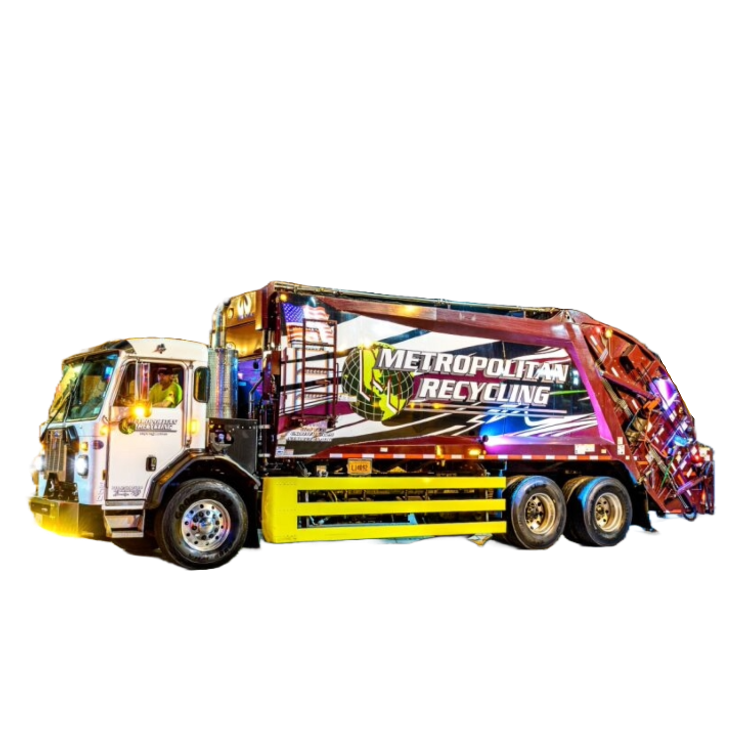
Contact us at Metropolitan Recycling if you would like more information about our dumpster hauling services.